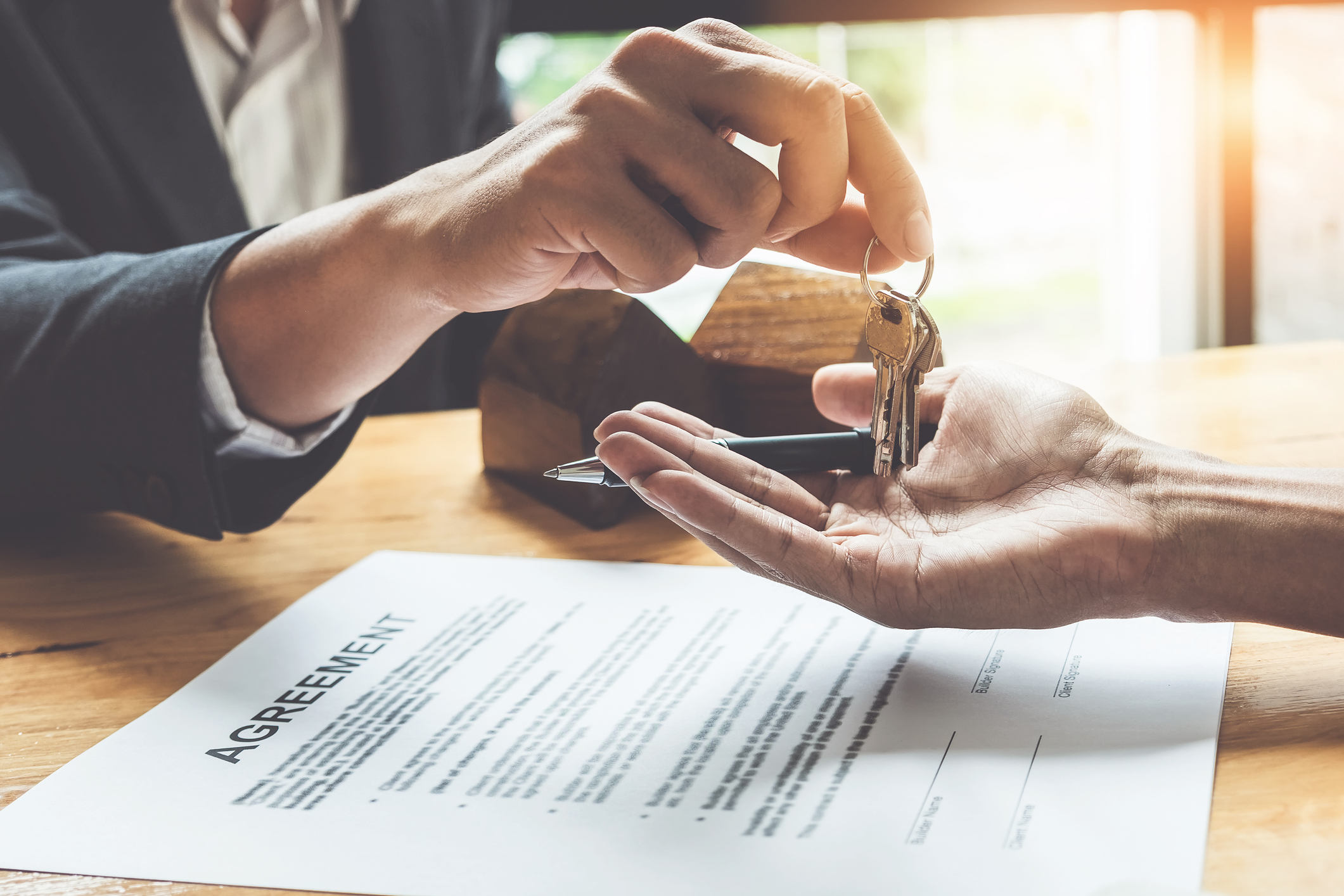
Buying Your First Rental Property? Here Are 6 Important Tips.
Owning rental property can be a great way to grow your wealth, but it’s also a big commitment and comes with some unique considerations you may not have faced as a homeowner. Knowing what to expect can help you make a smart purchase.
Buying rental property is different from buying your primary residence. Typically, the goal in purchasing a primary residence is to build equity. Purchasing a rental property is almost always meant to generate income. Property investment can be a great way to diversify your portfolio and create a source of income. Rental property ownership involves financial risk, and returns are not guaranteed. Expenses, vacancies, and market conditions can negatively affect results. Before you make this move, review these six important considerations.
1. Determine If Being a Landlord Is Right for You
While it can be a good way to generate real estate income, managing a rental is also a lot of work. You’ll need to pick the right property, prep it, and find reliable tenants. You’ll also be responsible for maintaining the property and fixing any major problems that prevent it from being livable.
Investors who own one or two properties usually do repairs themselves to save money, while those who own multiple units often have a team that handles maintenance and cleaning. If you’re not handy with tools, you may need to find someone to do repairs or hire a property manager. Those options can take a bite out of your profits.
It’s important to be honest with yourself and determine if you have the time and money (and temperament) to manage a property. If you aren’t the handy type or can’t spare the cash to outsource management, being a landlord might not be the right fit for you.
2. Pay Down Your Personal Debt Before Buying Rental Property
Carrying debt can be a valid strategy for certain investors, but it’s not something that works for most people. If you’re juggling credit card payments, paying off student loans, or dealing with medical bills, you might need to postpone buying rental property. This is especially true when it’s your first rental property purchase.
While it might not be necessary to pay down your debt if the return from your real estate investment outweighs the debt, you’ll still want to proceed carefully. It’s important to have a savings cushion so that you won’t get stuck without enough cash to pay down your debt.
3. Decide If You Will Pay Cash or Seek Financing
Think carefully about how you will pay for the rental property investment. Paying cash for a property can give you a higher monthly cash flow, but more of your money will be tied up. That could make it difficult for you to pay for other expenses like homeowners insurance, which may be more expensive than for a primary residence.
If you’re considering financing, keep in mind that lending requirements for investment properties can be stricter. Many lenders require higher down payments, often 20% or more, though requirements vary by lender and borrower qualifications.
4. Find the Right Location
In real estate, location is everything. Picking the right location can be crucial to your success. A rental property in an appealing neighborhood and popular area is more likely to attract potential renters. Consider properties in desirable areas with:
- Well-kept yards and landscaping
- A low crime rate
- Local amenities like restaurants, grocery stores, restaurants, shopping, trails, and parks
- Highly rated schools
- Proximity to major transit routes
- Easy access to public transportation
- A growing job market
Keep in mind that property taxes are often higher in neighborhoods with great schools and several amenities. You’ll need to factor this in and adjust your rental price to make sure your investment remains profitable.
5. Check the Rental Prices
When you’re property-hunting, take a look at a neighborhood’s rental statistics. This data will help you determine if a location is right for your investment, if the location is attractive to renters, and if the average rents in the area will be higher than your costs. Here’s what to look for:
- The average price of rent
- The average number of bedrooms and bathrooms in rental units
- Whether most residents own homes or rent them out
- Current vacancies
Keep in mind that rental prices along with vacancies will impact profitability. You will need to keep your rental price competitive with other vacant units, but high enough so that you still make money.
How do you figure out what to charge? Begin with the average rent for the neighborhood and then adjust up or down depending on whether your property is worth more or less than other properties. Then, figure out how much the property will actually cost you. Consider your monthly mortgage principal and interest, property taxes, homeowners insurance, homeowners association fees, and budget needed to cover maintenance and repairs.
To determine how much to budget for maintenance and repairs, experts recommend using one of these rules:
- 50% Rule: Set aside half of your rental income each month to cover repairs, maintenance, taxes, insurance, and other property-related costs.
- 1% Rule: Maintenance alone will cost about 1% of the property value each year. For a rental valued at $250,000, maintenance costs will be roughly $2,500.
- Square Footage Rule: Set aside $1 per square foot to cover annual maintenance costs. This means that a 1,500-square-foot rental will require approximately $1,500 in maintenance costs per year.
6. Review the Condition of the Property
Before you invest, inspect the condition of the property you are considering. As a landlord, you are legally responsible for providing a habitable home for your tenants. This means that you’ll need to make any necessary repairs to the roof, plumbing, heating, or electrical systems before you can rent out the property. Habitability requirements vary by state and local law.
As a first-time landlord, it makes sense to choose a “turnkey” rental property that’s move-in ready rather than a fixer-upper. While you might get a good deal on a fixer-upper price, you’ll likely need to hire a contractor to perform any large-scale improvements, which can be expensive. Finding a home that is priced below the market and requires only minor repairs will be better for your bottom line.
Another thing to keep in mind: The higher the home price, the more you’ll pay to keep it maintained. Some experts recommend that first-time landlords start with a property located in a desirable but not-too-expensive neighborhood. Experts also advise prospective landlords not to buy the nicest house on the block – or the worst.